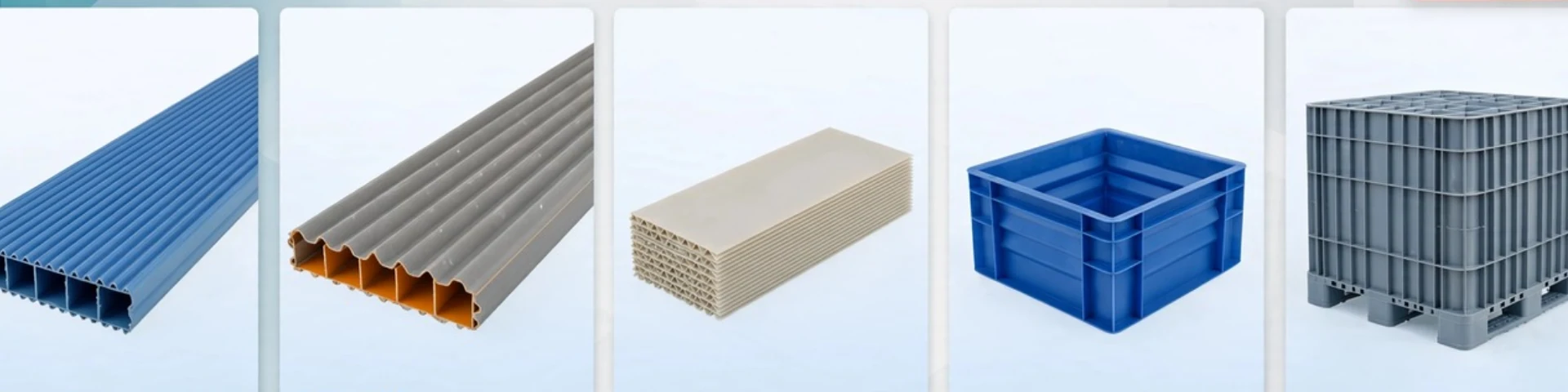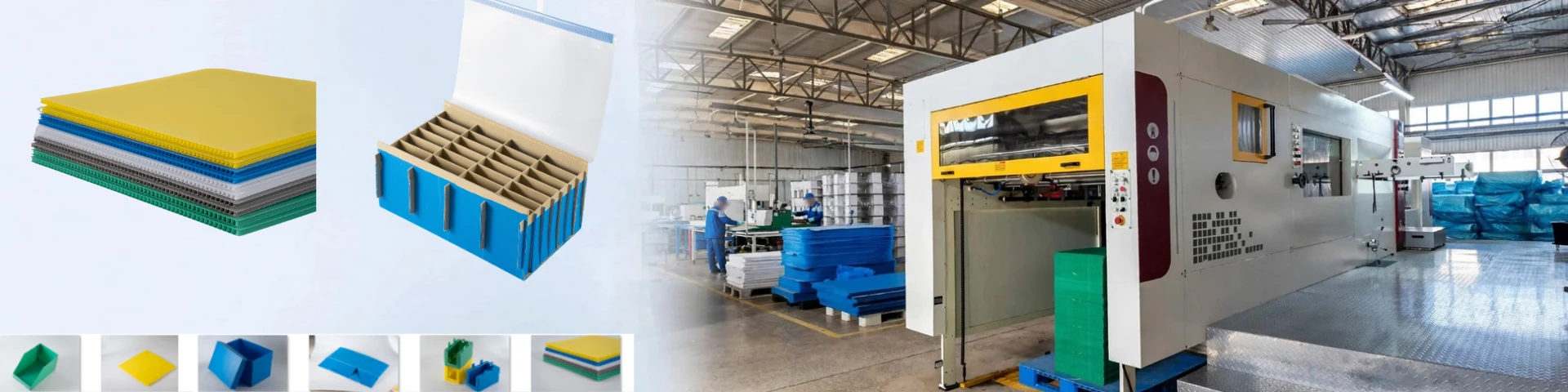


Corrugated Plastic Sheet Thickness Checks
Define measurement locations and the agreed caliper tolerance. Review thickness together with sheet weight and structure rather than treating one reading as the full specification.
Discuss This Requirement ↗
XINGYUPLASTIC SHEETS & PACKAGINGA useful quality plan connects the agreed specification to the actual application. Define the material, dimensions, appearance and functional requirements at the enquiry stage, then use a representative sample to establish acceptance criteria.

Define measurement locations and the agreed caliper tolerance. Review thickness together with sheet weight and structure rather than treating one reading as the full specification.
Discuss This Requirement ↗
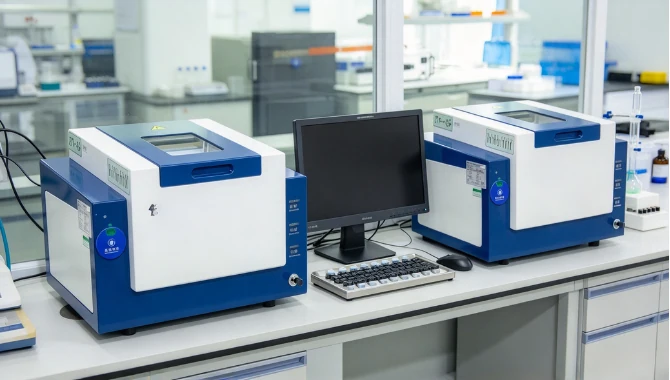
Specify the weight basis clearly, including units and tolerances. This helps buyers compare proposed grades on the same basis as thickness and finished dimensions.
Discuss This Requirement ↗
Set the finished dimensions and acceptable variation in the drawing. Include squareness and cutting references where the sheet must fit a frame or converting process.
Discuss This Requirement ↗
Agree a color reference and viewing conditions before approval. Ask how acceptable variation will be assessed across samples and repeat supply.
Discuss This Requirement ↗
Define which surfaces are visible or in contact with the product. Agree acceptable marks, finish and cleanliness for the intended use rather than relying on an undefined appearance standard.
Discuss This Requirement ↗
Review print alignment against the cutting outline and fold positions. Confirm color references, legibility and the final approved artwork before the production specification is released.
Discuss This Requirement ↗
Check slots, tabs and openings with representative mating parts. Include insertion clearance and edge quality in the sample review.
Discuss This Requirement ↗
Evaluate assembly using the proposed board and joint design. Agree fold positions, closure fit and the intended handling sequence with the finished sample.
Discuss This Requirement ↗
Define the electrical range, test method and conditioning requirements for the selected material. An ESD product description alone does not establish acceptance for a particular application.
Discuss This Requirement ↗
State the temperature, humidity, duration and acceptance criteria relevant to the application. Confirm the available test scope and documentation before making performance claims.
Discuss This Requirement ↗
Connect any aging assessment to the expected environment and failure criteria. Agree the method and exposure conditions; accelerated testing does not automatically predict service life.
Discuss This Requirement ↗
Use representative contents and a defined handling sequence. Review deformation, closure retention, access and contact protection in the complete packaging configuration.
Discuss This Requirement ↗
Assess cushioning with the actual part finish and contact zones. Include fit, removal access and movement within the pack in the agreed sample evaluation.
Discuss This Requirement ↗
Bring dimensions, appearance, labels, closure and packing arrangement into one review. State which records and sampling arrangements are required for the order.
Discuss This Requirement ↗
Identify the approved drawing and sample revision. Record changes to materials, colors or assembly details so the next order uses the same acceptance reference.
Discuss This Requirement ↗Share your drawing, dimensions, quantity and delivery destination.