01CONCEPT DIAGRAM
Rear luggage compartment
Trunk Cover
Review the luggage-floor drawing, support locations and trim finish for a custom-cut PP cellular panel.
Discuss This Application ↗ XINGYUPLASTIC SHEETS & PACKAGING
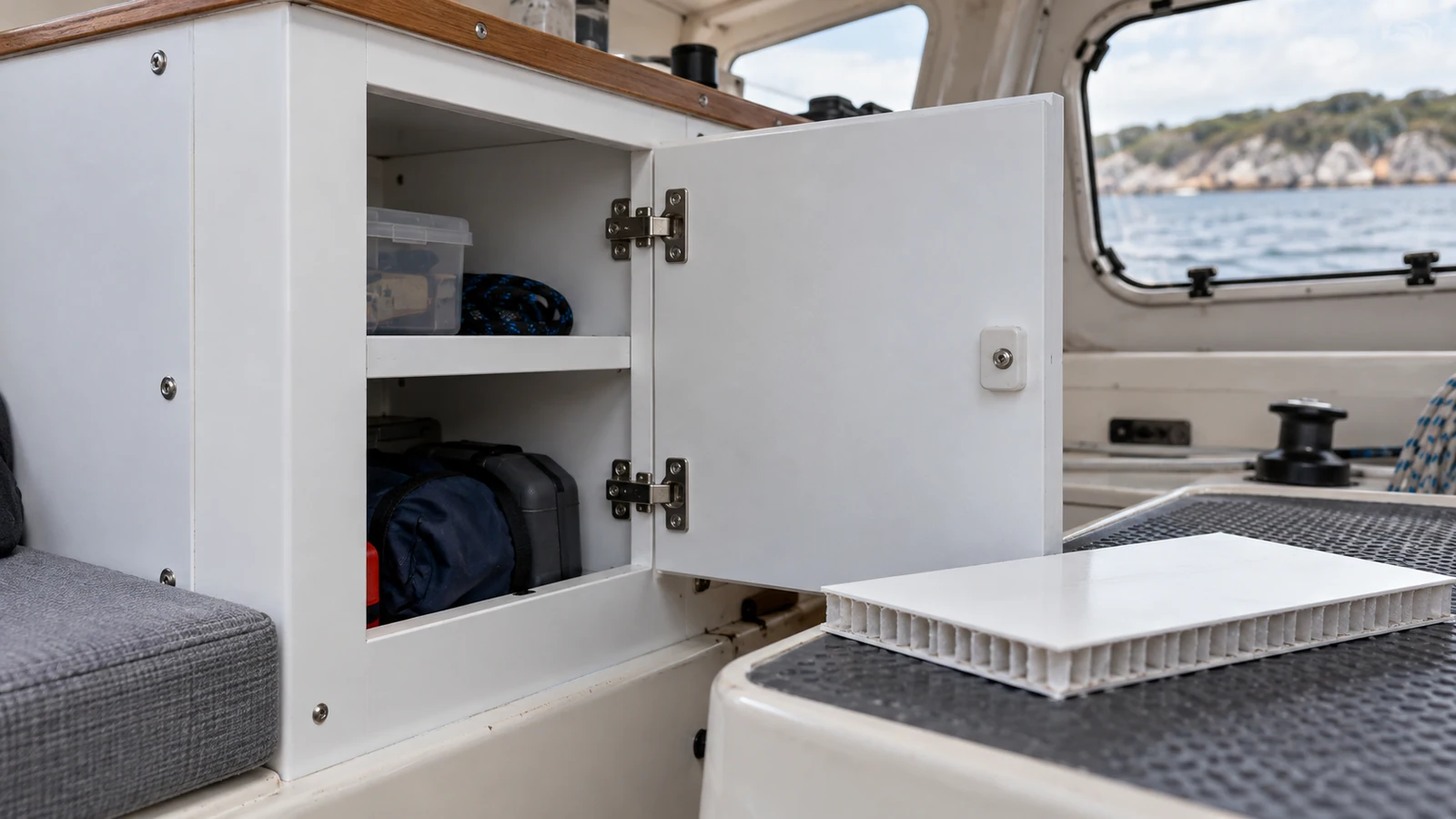
Explore PP honeycomb and cellular panel concepts for trunk covers, van liners, spare tire covers, headliners and automotive door panels. Select the structure and facing to suit your component geometry and assembly requirements.
Review the luggage-floor drawing, support locations and trim finish for a custom-cut PP cellular panel.
Discuss This Application ↗Specify cut-outs, fastener positions and exposed edges for van wall lining panels.
Discuss This Application ↗Match the wheel-well outline, lifting access and support perimeter before approving a cover sample.
Discuss This Application ↗Review roof geometry, facing adhesion and the complete interior assembly specification.
Discuss This Application ↗Define the door-panel profile, mounting points and surface treatment for a drawing-based review.
Discuss This Application ↗Use the checks below to prepare a focused enquiry. Numbers identify applications and review steps; they are not performance ratings.
| Application | Vehicle location | Drawing & sample checks |
|---|---|---|
| 01 / Trunk Cover | Rear luggage compartment | Support span · distributed load · surface finish |
| 02 / Van Liner | Cargo walls and interior lining | Fixing pitch · contour · cleaning |
| 03 / Spare Tire Cover | Spare-wheel well | Wheel-well shape · load case · access |
| 04 / Headliner | Roof interior | Curvature · facing · assembly |
| 05 / Automotive Door Panels | Door interior | Clip positions · cut-outs · trim |

Reusable boxes for harvest, packing and farm-to-shelf handling.

Panels, barriers and guards for crop and greenhouse projects.
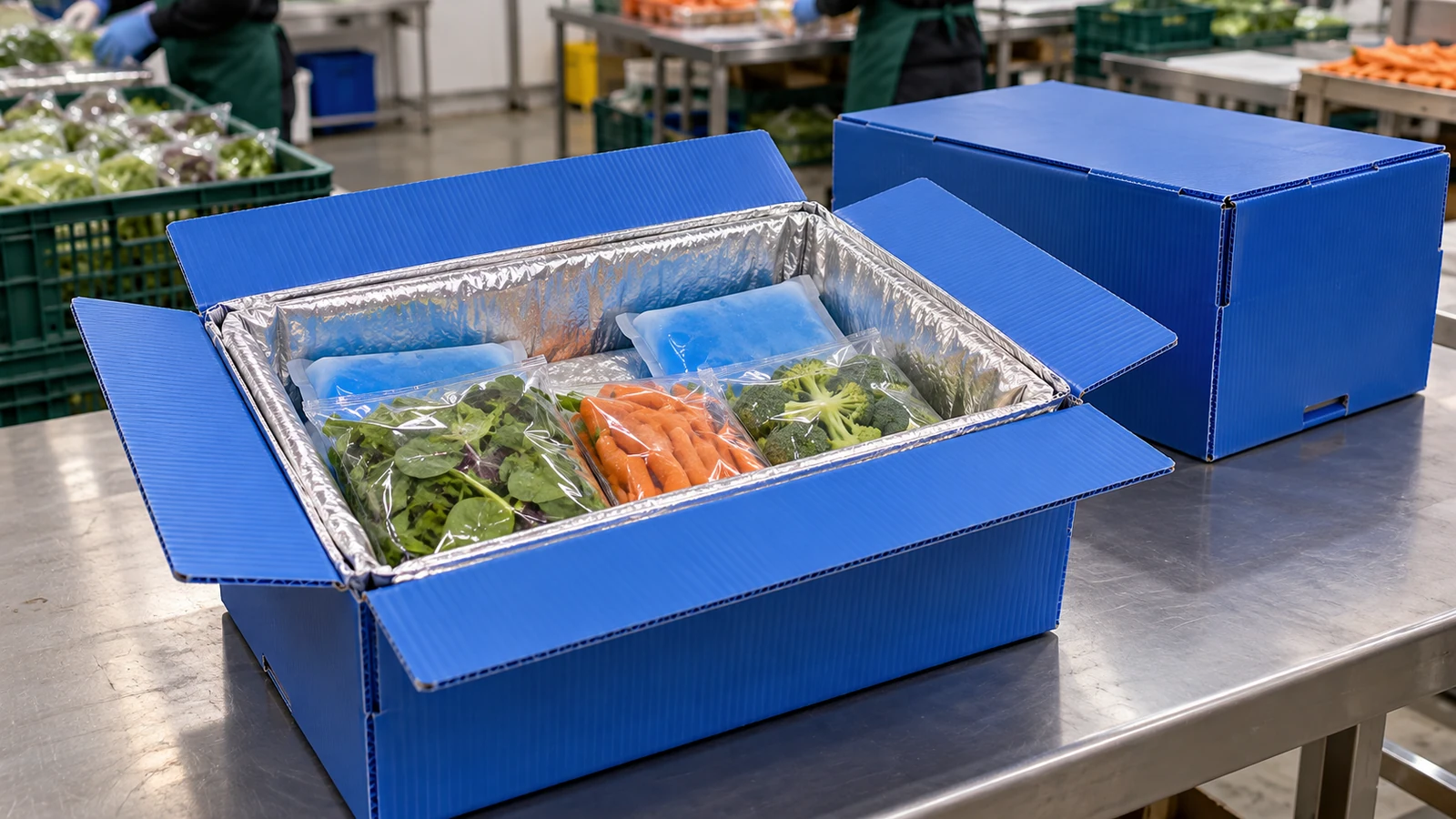
Reusable container designs for chilled-product transport requirements.

Ventilated guards for saplings and landscaping projects.

Custom grid inserts for bottle separation and beverage handling.

Die-cut PP hollow-board boxes for produce packing and supermarket distribution.

Custom dividers and dunnage for automotive components.

Material options for sensitive electronics and component handling.

Panels for liners, seat backs, vehicle load floors and interior components.
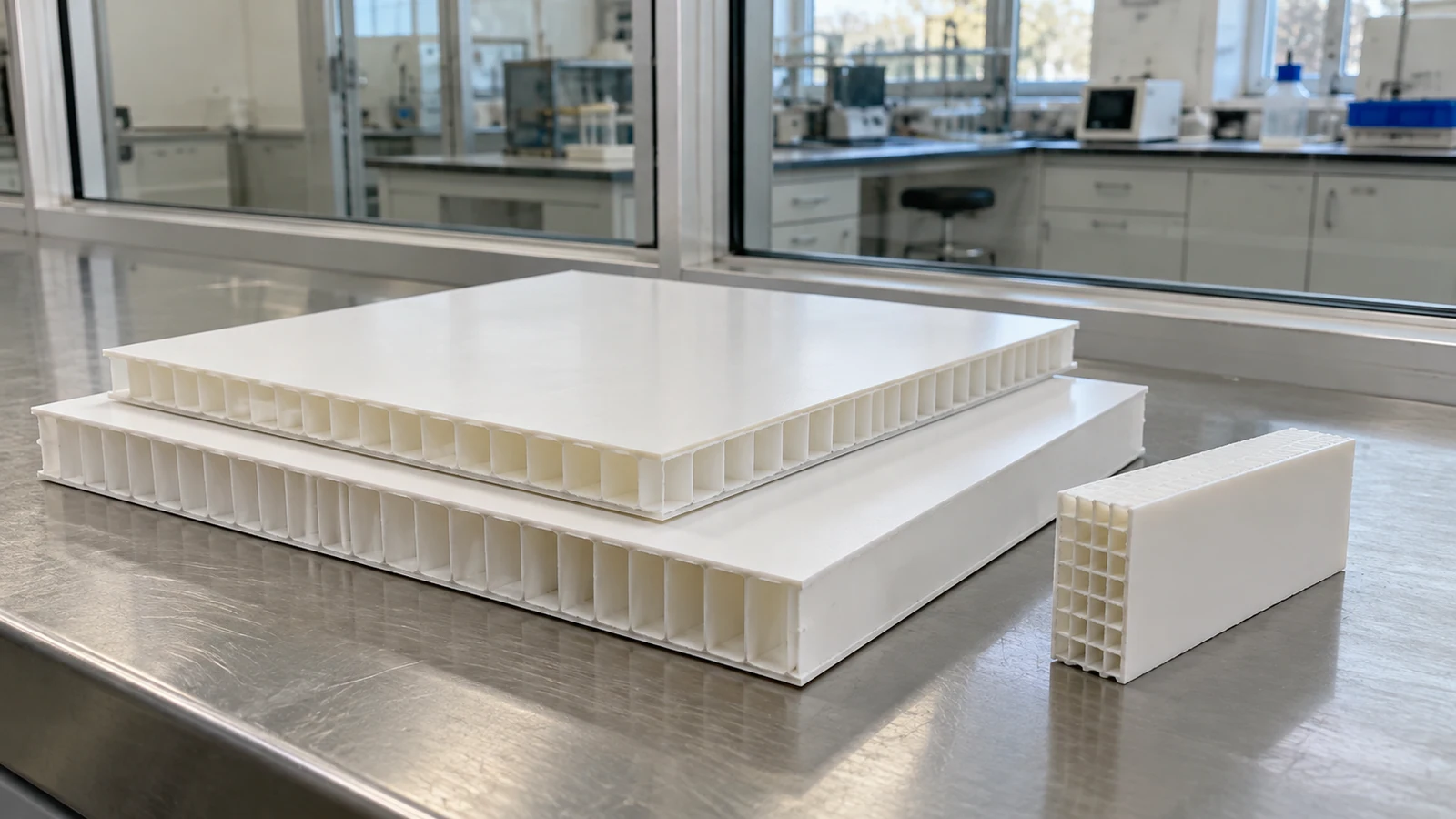
Application-specific panels for laboratory storage and partitions.
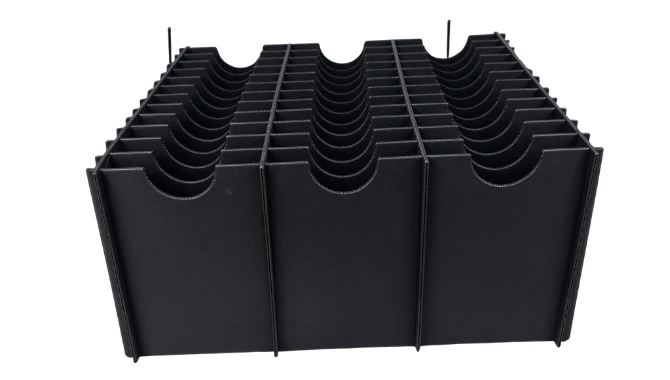
Separate circuit boards in defined slots; confirm clearances, contact points and the electrical specification for the selected material.
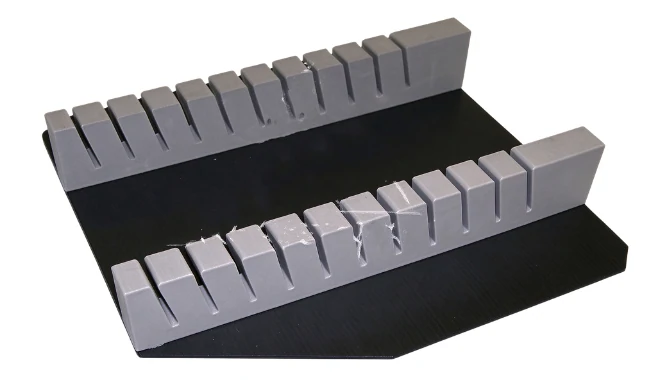
Locate sensitive components in fitted dunnage. Review foam contact, removal clearance and representative transport handling.
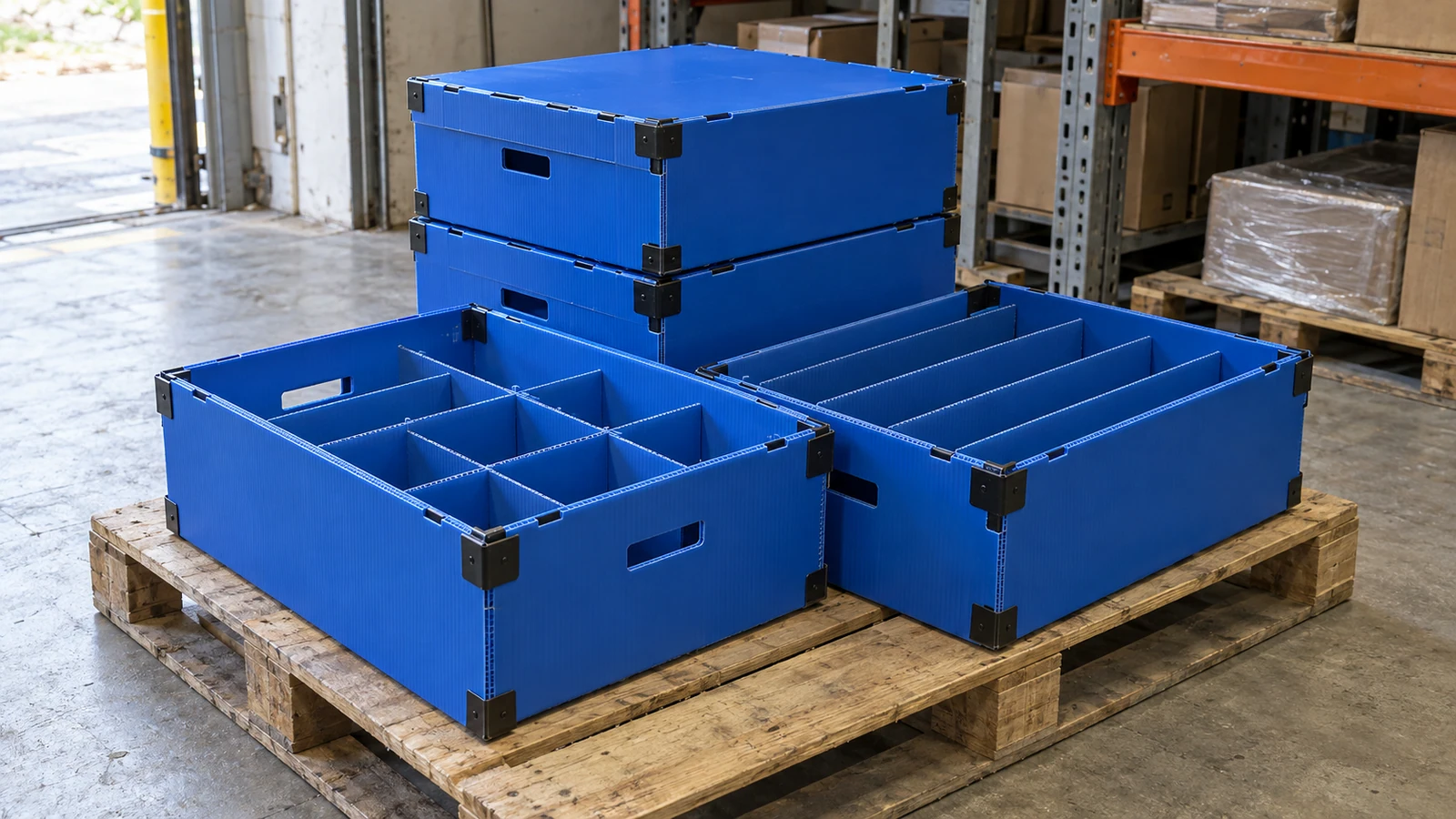
Returnable boxes for distribution and repeat transport.

Visible, organized parts storage for warehouses and workstations.
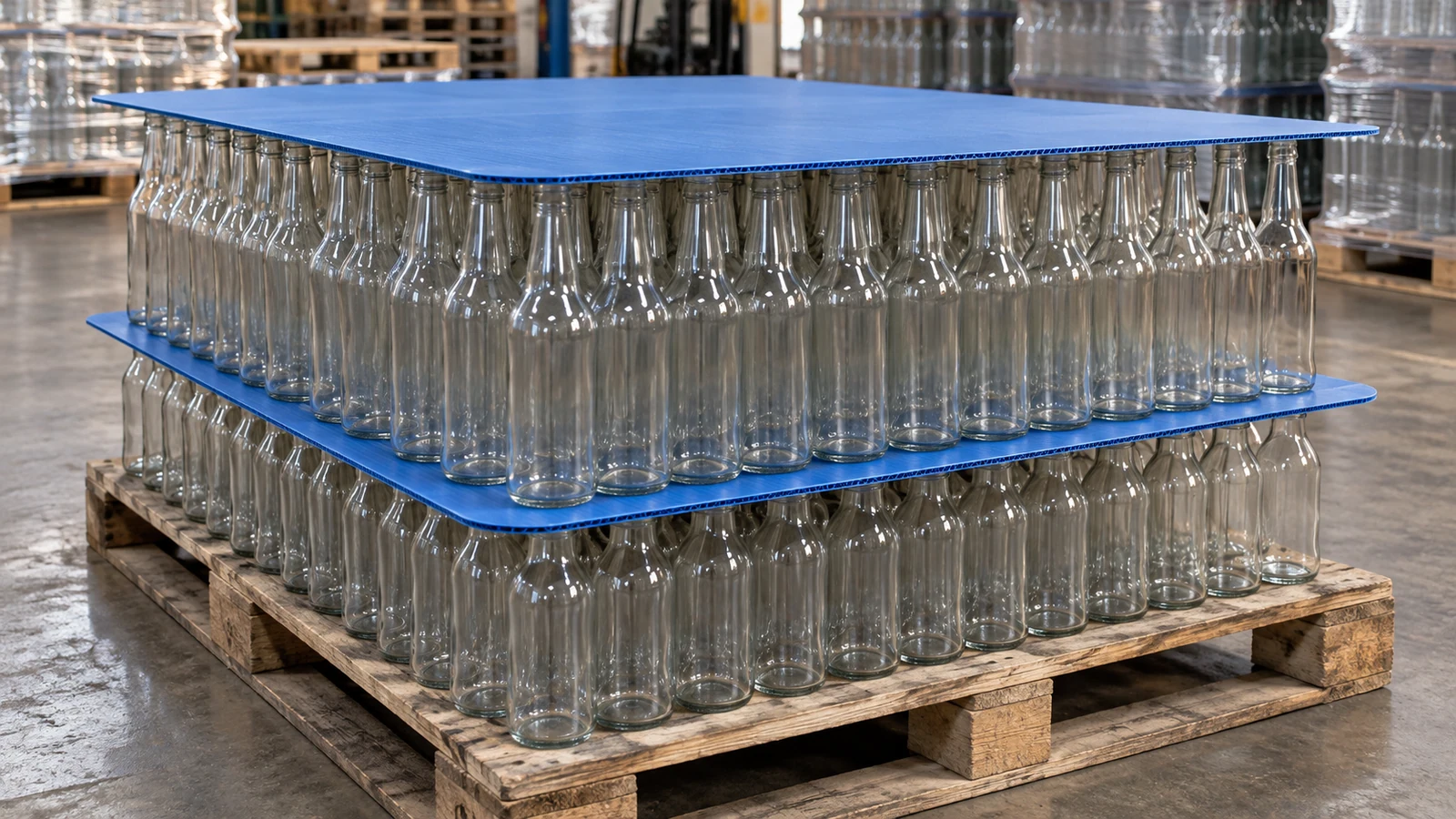
Layer sheets, pallets and load separators for stacking and transport.

Separators for glass, ceramics and polished surfaces.
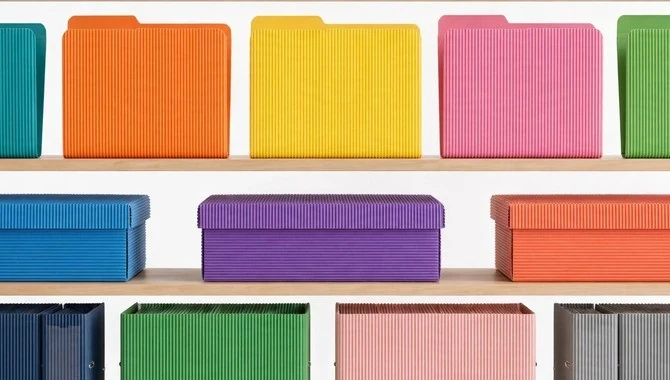
Folders, binders and boxes for document organization.
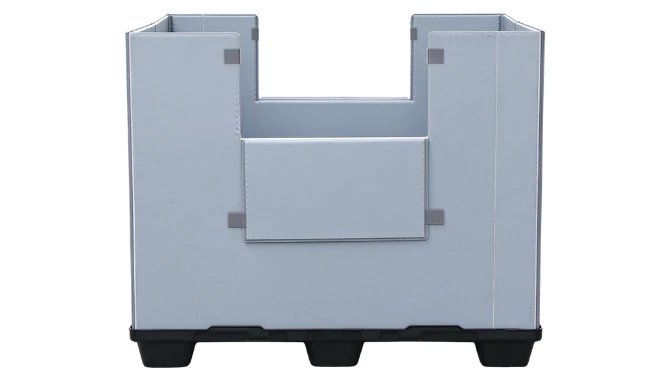
Move grouped parts in a pallet sleeve format. Specify pallet interface, access opening, internal packing and the empty-return route.
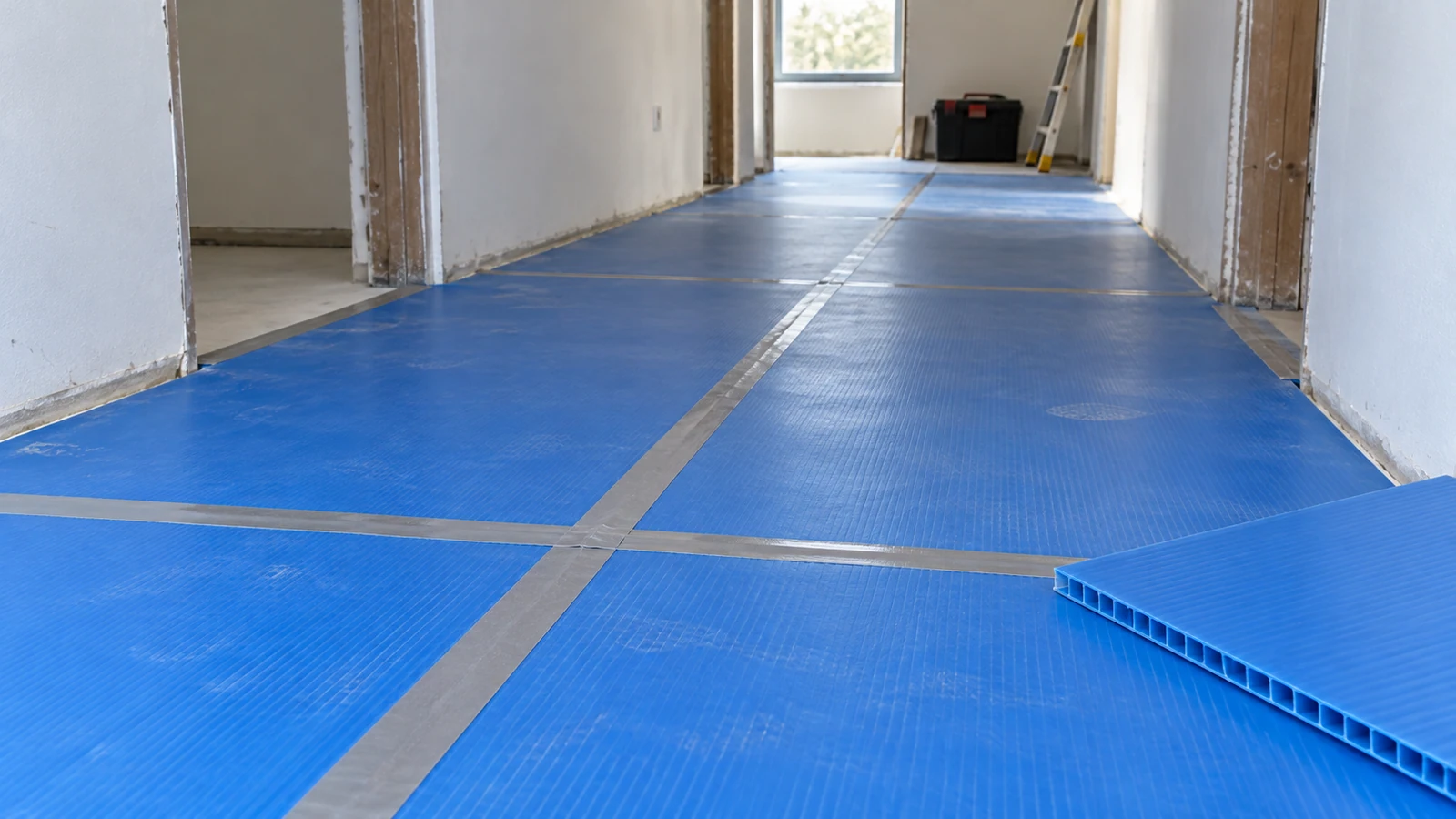
Floor, wall and countertop protection for site work and renovation.
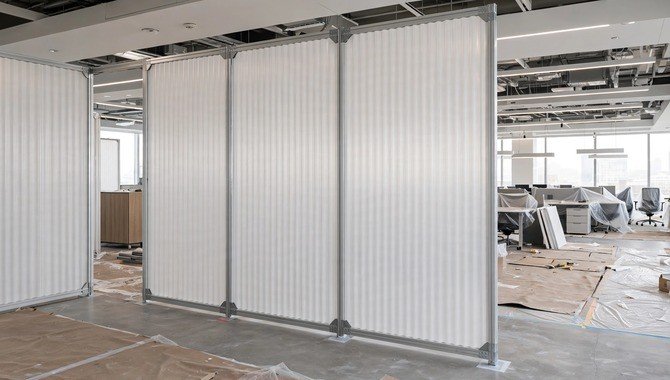
Partitions, site enclosures, roof battens, soil-retention and shelter applications.
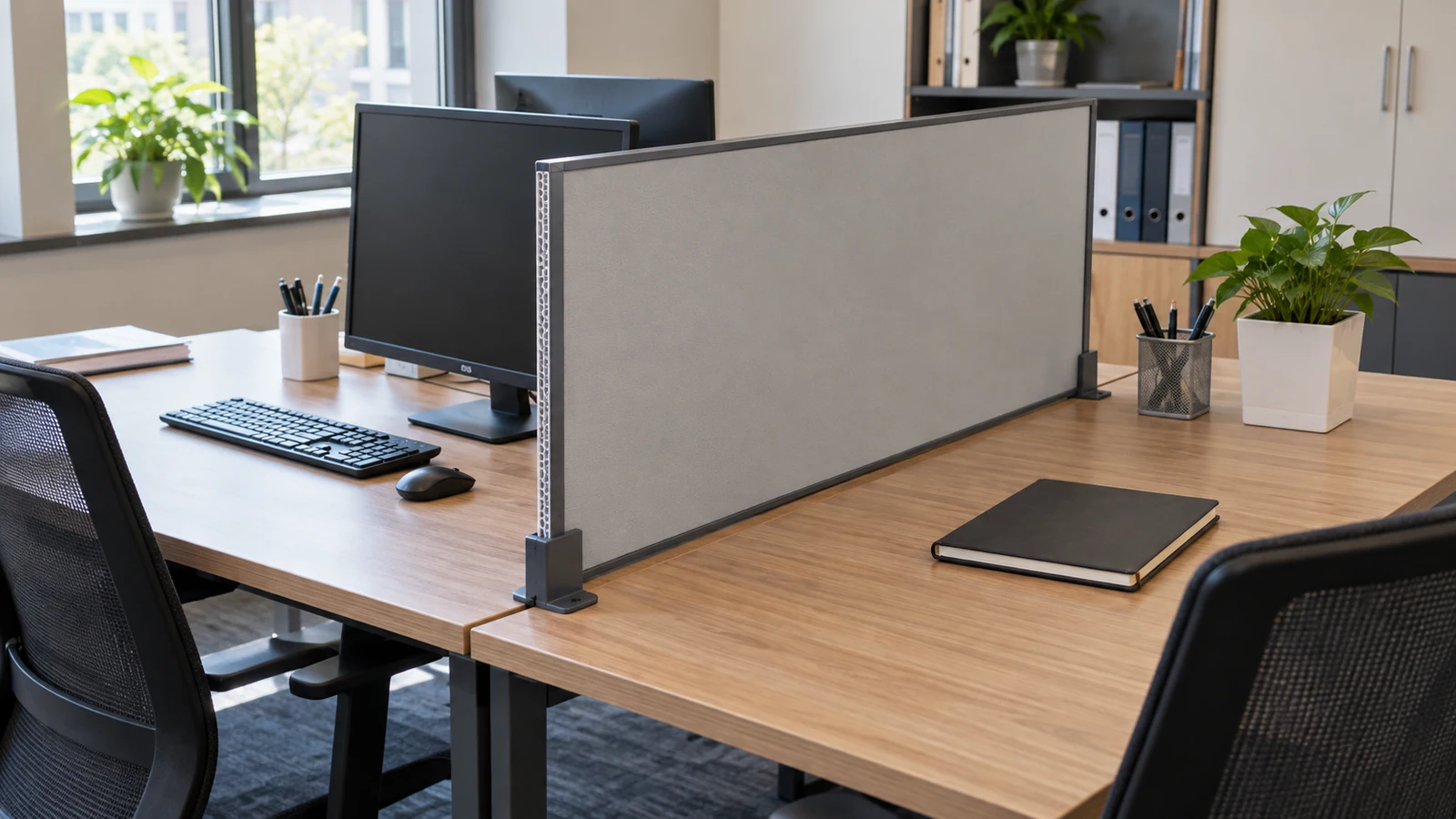
Easy-clean partitions for shared workspaces and counters.
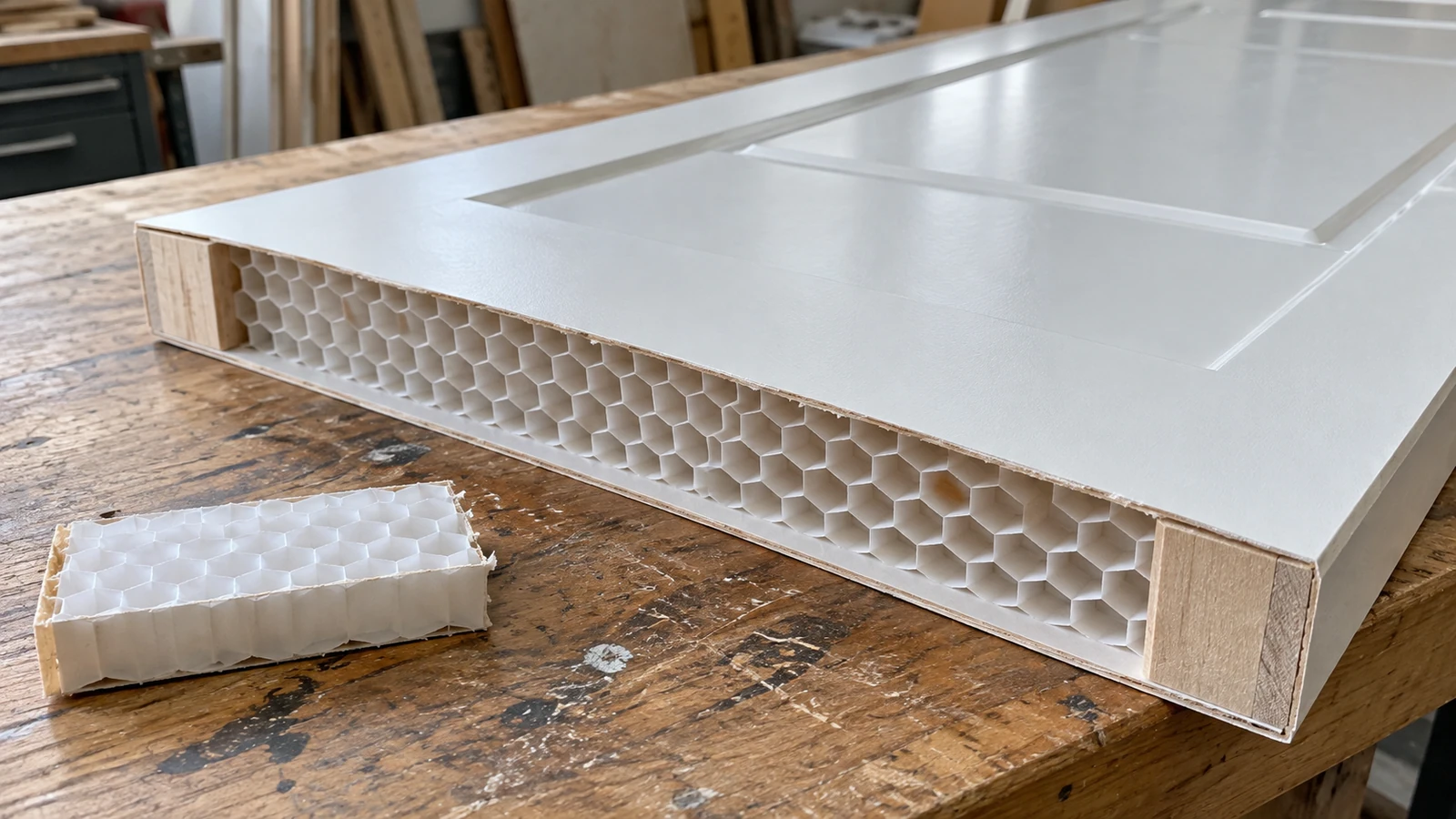
Lightweight core structures for door and interior-panel fabrication.
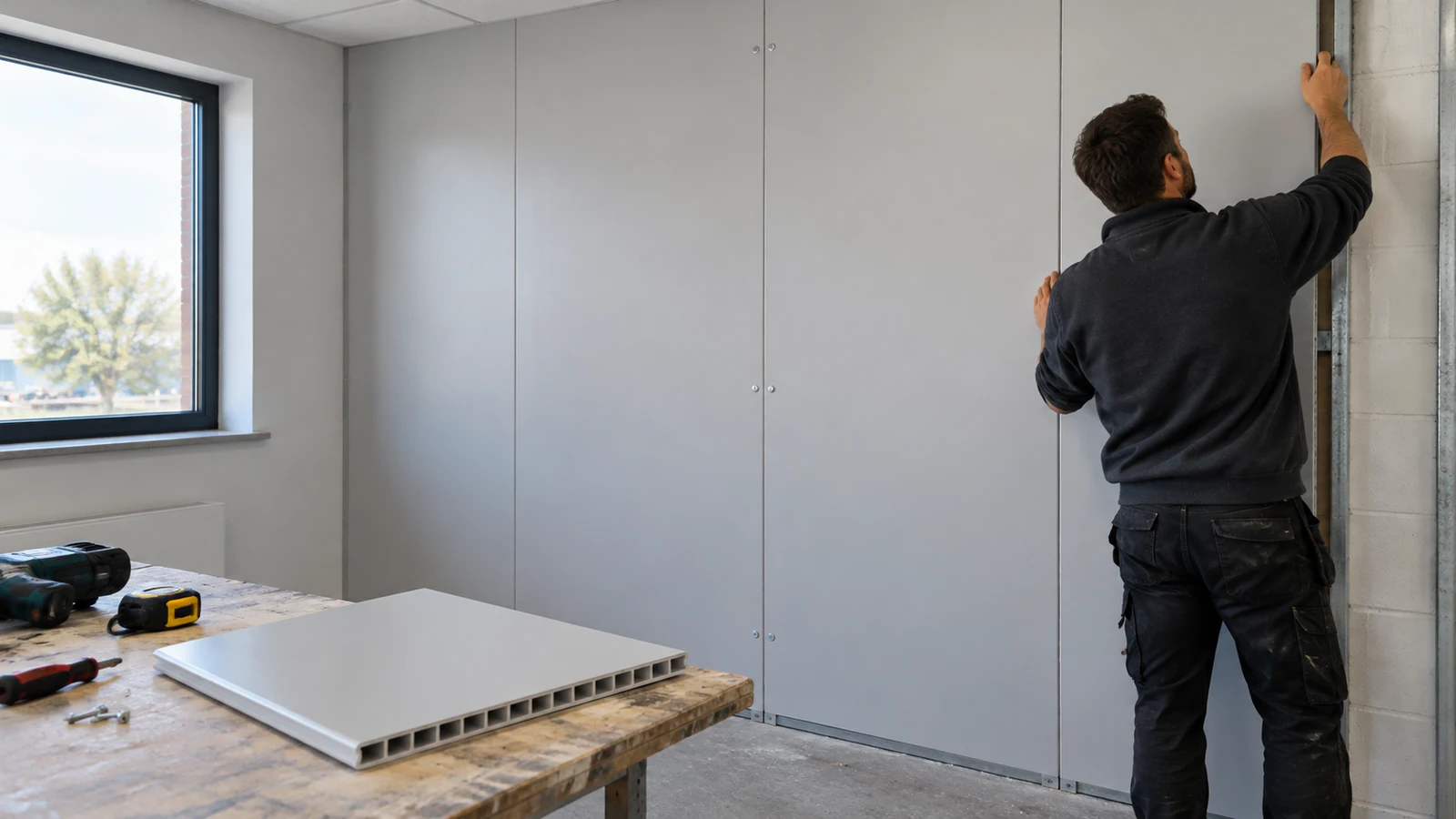
Printable, textured boards for walls, cladding and interior projects.
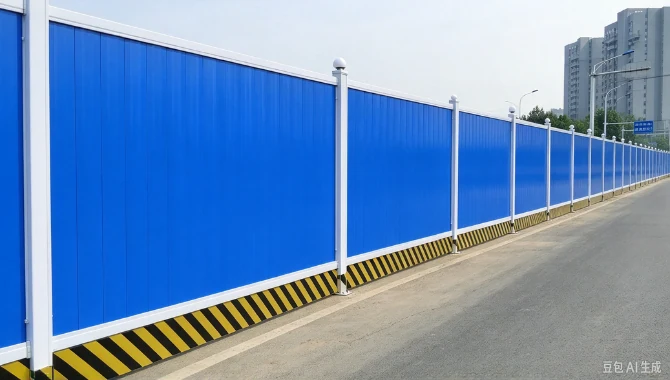
Screen work areas using panels in a defined support system. Assess fixings, wind exposure and site requirements for the complete assembly.
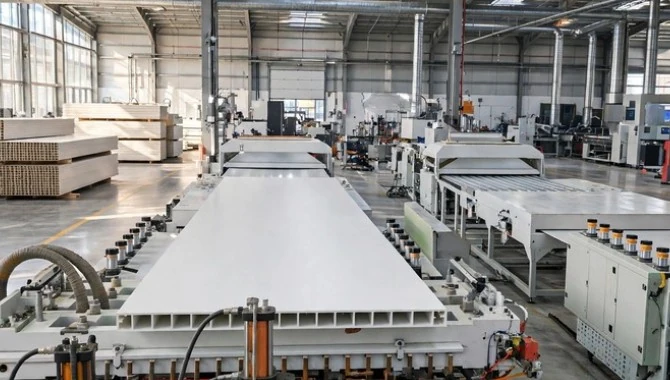
Sheet lamination and conversion into liners, countertops and fabricated panels.
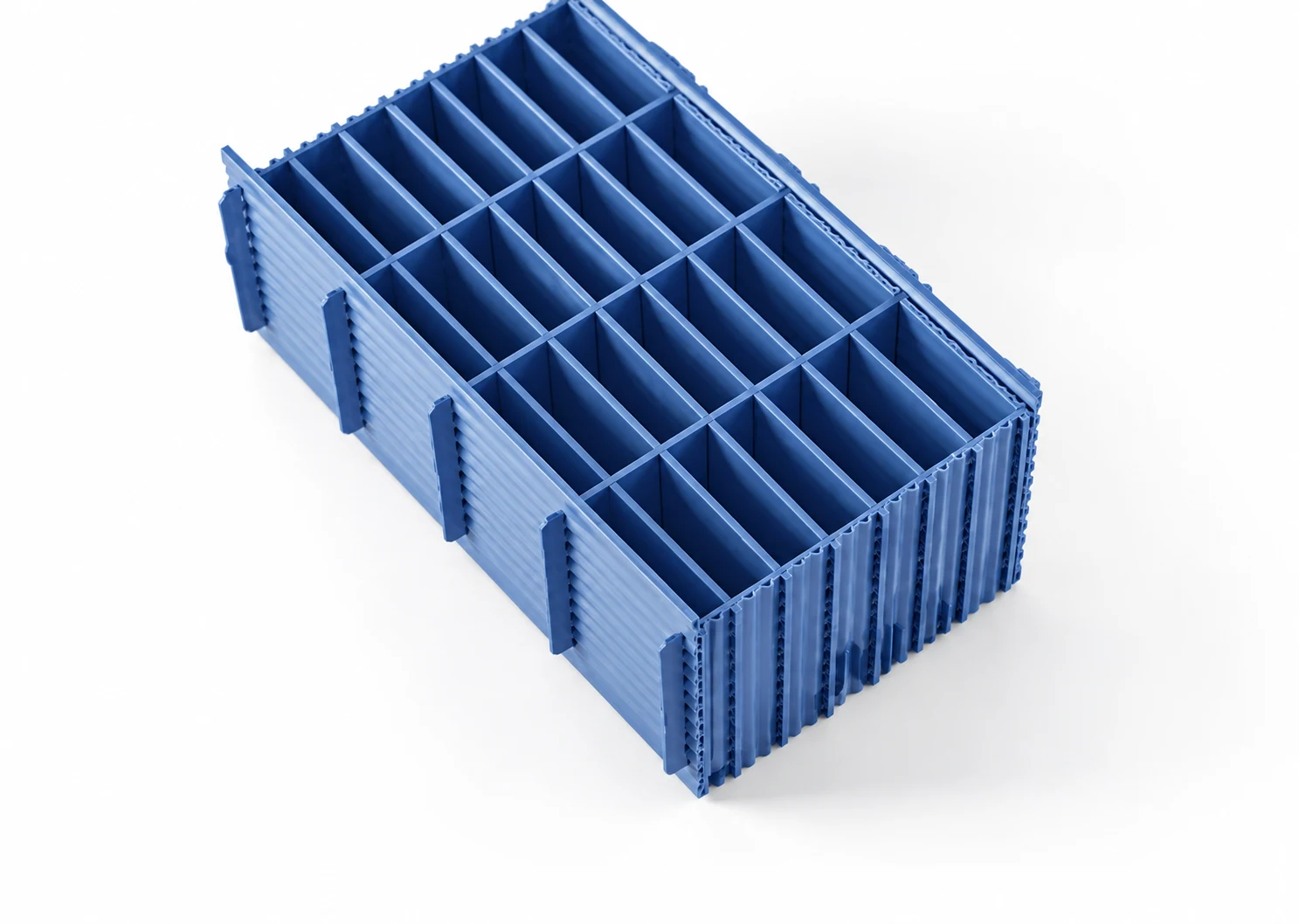
Convert sheet into fitted separators and inserts. Supply the part drawing, flute direction, clearances and sample acceptance criteria.

Organize parts between production operations in a reusable tray. Match pockets, handling access and material contact to the process.

Develop a reusable dispatch pack with defined closure and label positions. Confirm parcel dimensions and the planned return cycle.
Sort orders in visible pick bins. Review usable capacity, rack fit and identification for the fulfilment workflow.
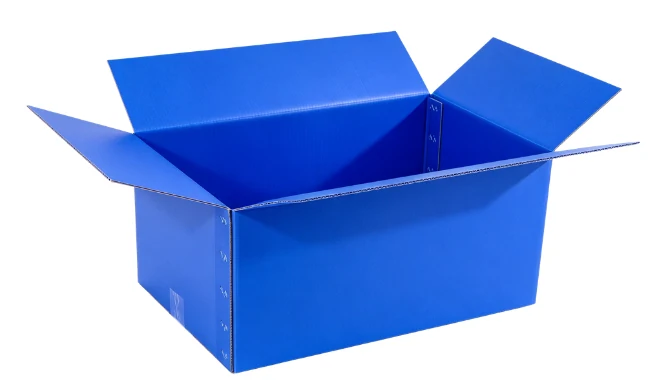
Collect returned merchandise in reusable boxes. Match opening access, item protection and empty storage to the return route.
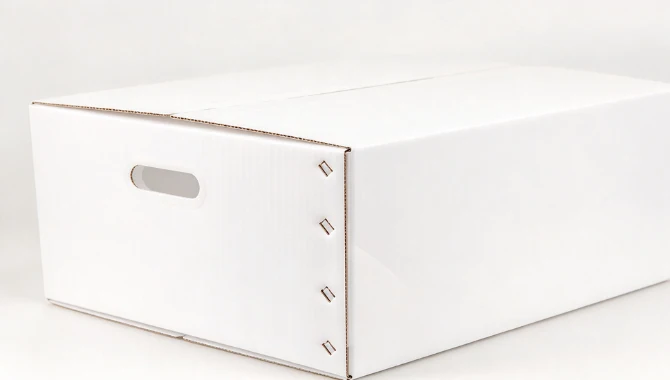
Organize already-packaged supplies in lidded totes. Review cleaning, traceability and material suitability; no sterile-barrier performance is implied.
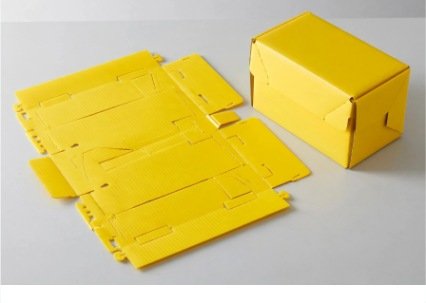
Develop outer boxes for packaged pharmaceutical goods. Confirm cleaning, closure and transport requirements through customer qualification.
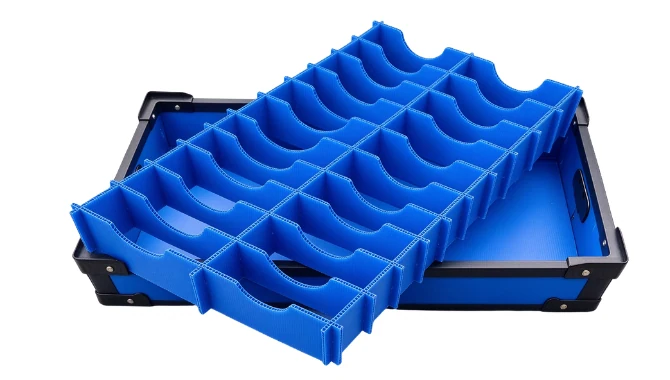
Separate packaged consumables during internal handling. Review cell size and cleaning; laboratory and cleanroom suitability require qualification.
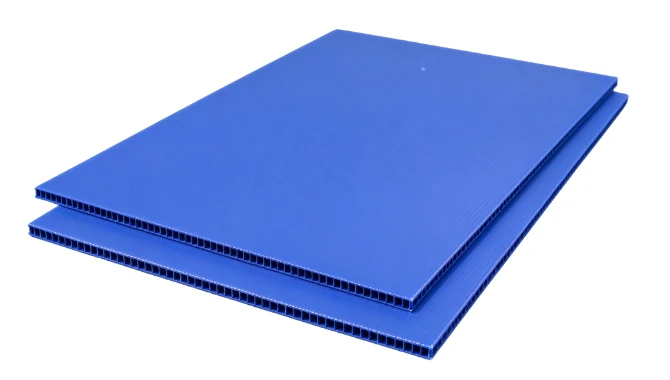
Separate finished appliance parts with fitted panels. Validate contact compatibility and movement within the transport pack.
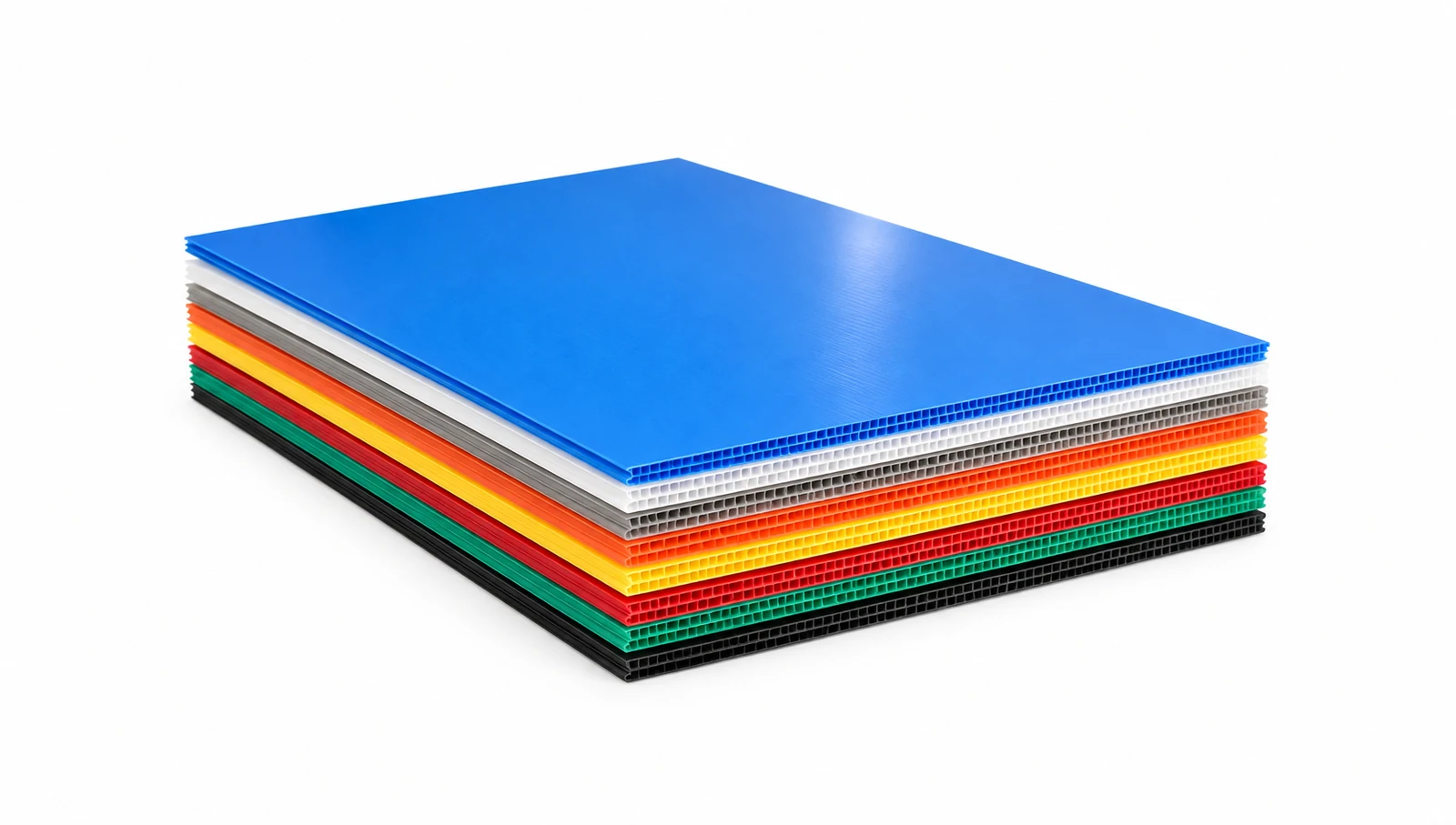
Place defined interleaves between furniture panels. Check finish compatibility, edge overhang and the complete stacked pack.
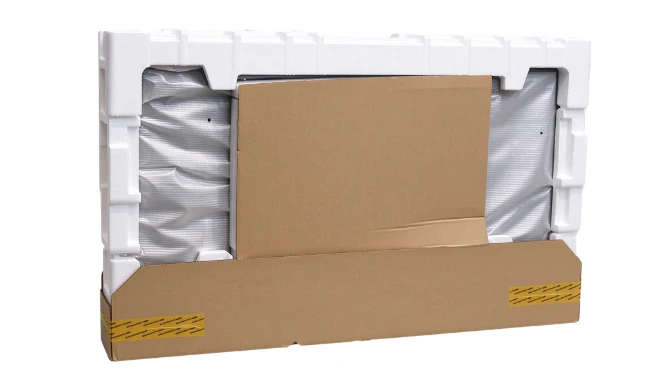
Combine shaped cushioning with sheet components around fragile parts. Review support points and sample transport performance.
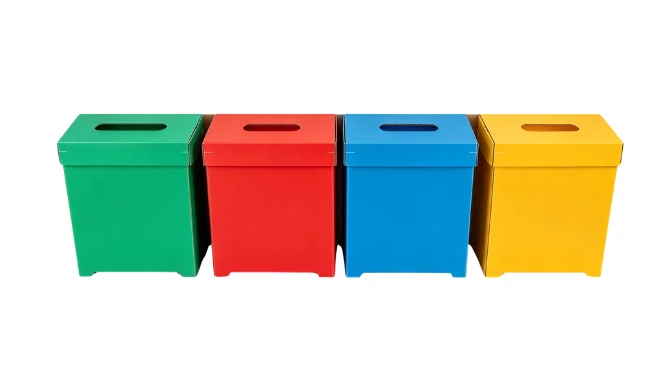
Organize separated material streams with labeled bins. Match openings and capacity to the local collection scheme.
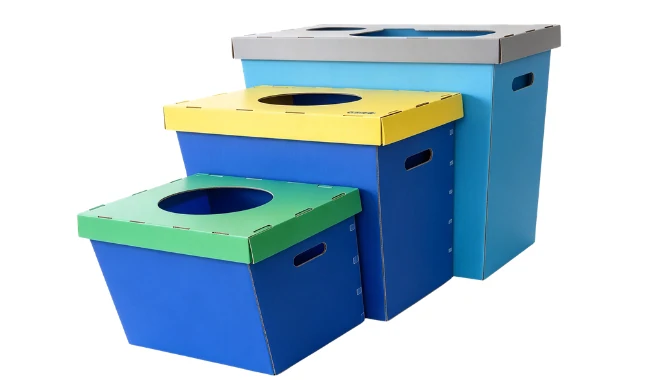
Collect identified recyclable materials in reusable containers. Agree cleaning, marking and hand-off arrangements with the operator.
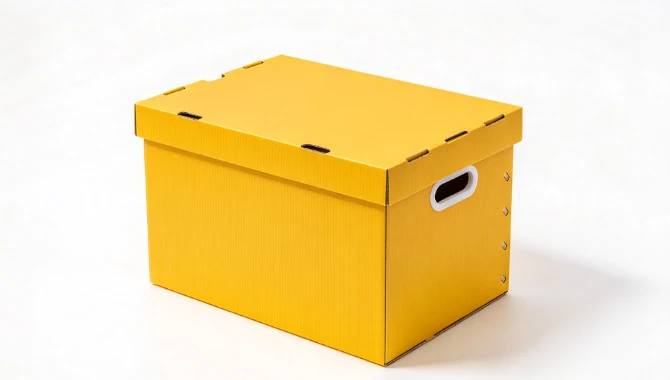
Transfer sorted offcuts in folding totes. Confirm contamination limits and the actual receiving recycler before defining a recovery route.
Organize classroom resources in labeled boxes. Specify contents, shelf dimensions and convenient handling access.
Carry project papers and sample packs in a defined case. Review document size, closure and identification details.

Create printed information panels for educational displays. Specify artwork, mounting and placement; review the selected substrate and edge finish.
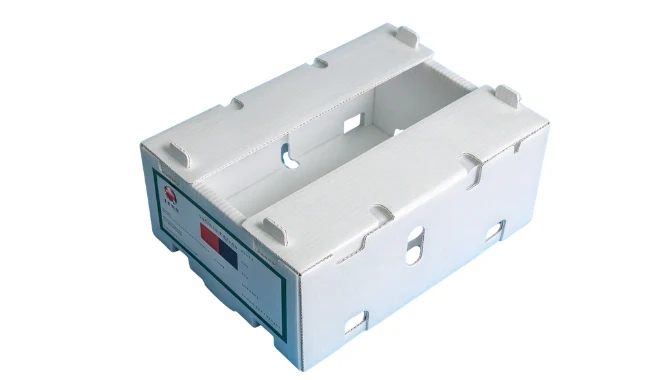
Separate bottles in fitted cells. Confirm bottle diameter, contact points and removal clearance with a representative packing trial.
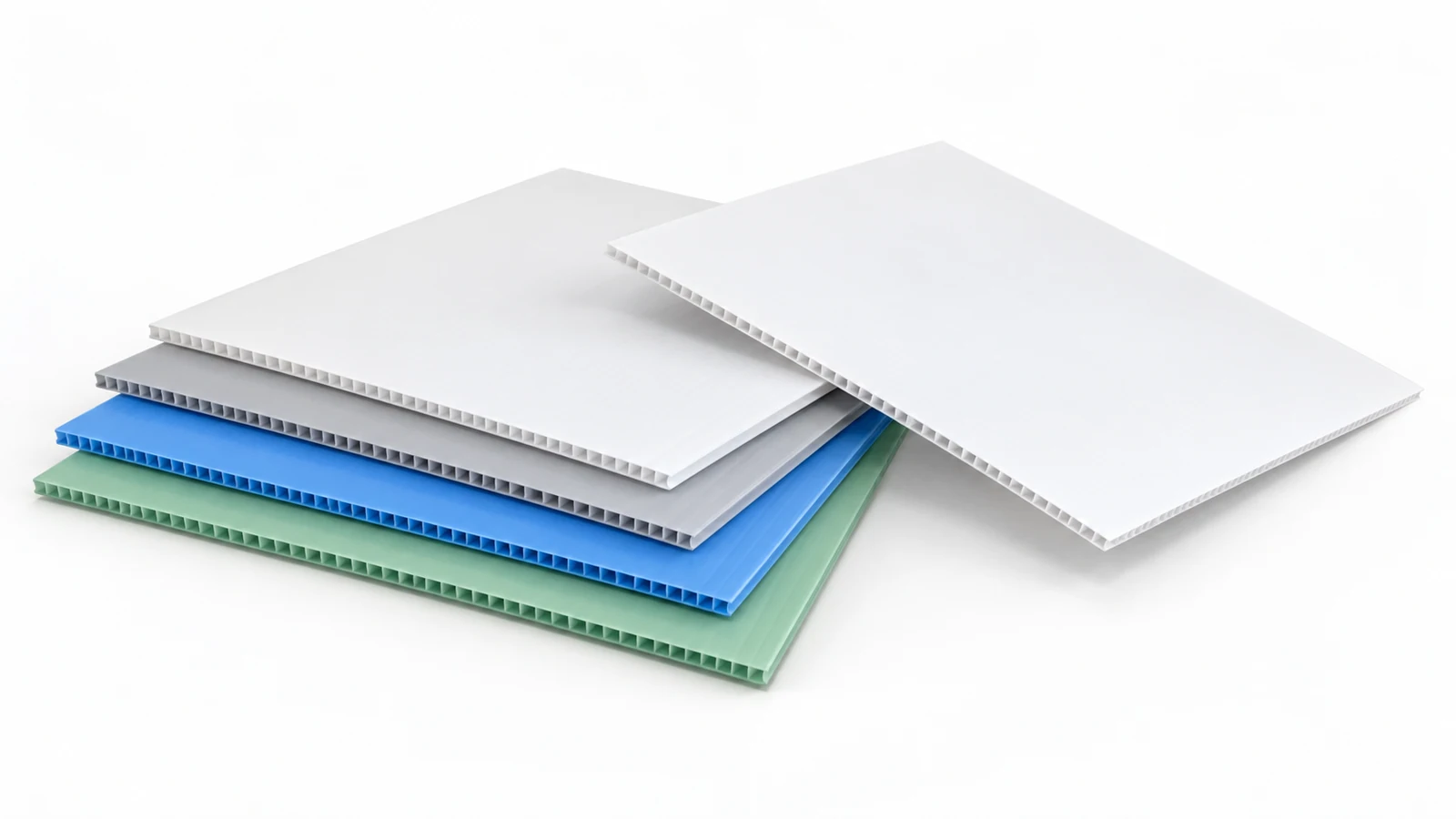
Separate layers of empty bottles or cans using specified pads. Review size, flatness and handling-line compatibility.
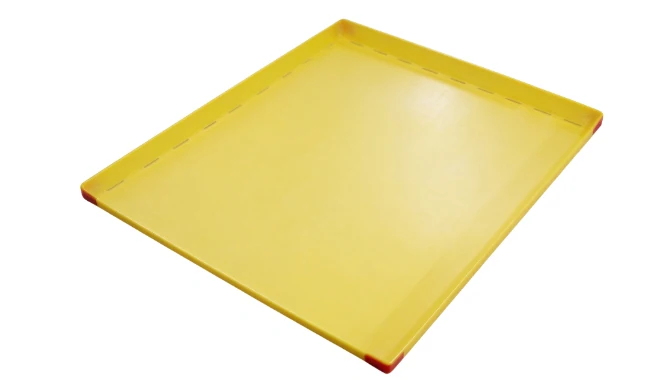
Organize packaged closures and beverage components in shallow trays. Confirm usable depth, cleaning and any contact requirements.