
PP Honeycomb Panel Lamination: Build a Trial Record Before Repeat Supply
Xingyu Editorial Team ·
Define material layers, process ownership and sample acceptance for laminated PP honeycomb panels before approving repeat orders.
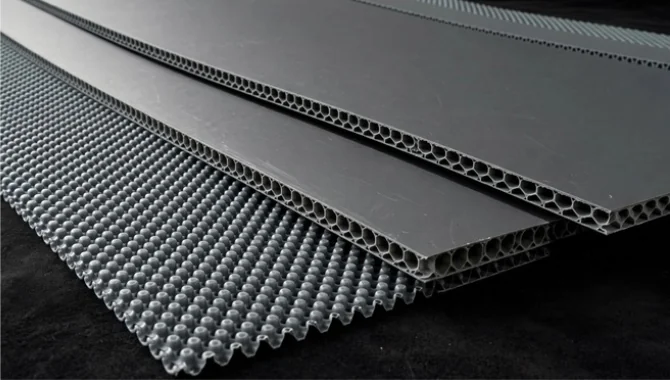
Approve a repeatable assembly
A PP honeycomb panel sample can look acceptable without documenting how its layers were assembled. For a repeat order, identify the materials, processing owner and acceptance checks that belong to the approved construction. This guide focuses on recording a lamination trial. It complements a core-versus-finished-panel RFQ by turning the proposed build into a traceable sample, without prescribing a universal production recipe.
Confirm the proposed bonding route
ThermHex's technical leaflet describes skin bonding and notes that adhesive choice depends on the sandwich assembly requirements. Its product-specific guidance is useful background; it is not evidence that another supplier's panel uses the same materials or processing conditions. Consult the actual skin, core and bonding-system suppliers for the proposed construction. Do not copy processing temperatures or test values from an unrelated data sheet.
Give every layer an identity
Use a construction sketch to identify core, faces, surface finishes, intermediate films, adhesives where applicable, and any edge or attachment details. Record supplier grade references and material batches for the trial. The drawing should distinguish finished panel thickness from a core-only description.
Where the proposed process does not use a separate adhesive, document the actual joining route rather than adding a fictitious adhesive specification. If the factory supplies a completed panel, agree which process records it can provide and which acceptance checks remain with the purchaser. There is no need to request a supplier's confidential recipe when a controlled specification and relevant verification can establish the purchase scope.
Record the variables that can explain a result
A useful trial sheet identifies sample code, construction revision, material condition, surface preparation method, equipment or process reference, agreed process settings, conditioning and reviewer. The exact variables depend on the chosen process and should be set with the responsible converter. Record deviations instead of quietly treating a changed sample as the original approval.
Take clearly labeled photographs of faces, edges and the intended fitting interface. Preserve an approved reference sample where practical. Note whether the sample represents normal production or a laboratory preparation, because the distinction affects what a repeat order can reasonably reproduce.
Separate visual checks from functional evidence
Agree appearance, dimensions and edge-finish checks before the trial. If the application needs bond or assembled-panel testing, specify the applicable method, specimen construction, conditioning and acceptance criteria with the qualified test provider. A neat edge or an informal hand check cannot establish an engineering performance rating.
For vehicle interiors, packaging or liners, evaluate the complete proposed component under relevant use conditions. Do not infer a fire classification, service temperature or load limit from the material name.
Close the sample approval loop
Before requesting repeat supply at pp honeycomb panel, identify the approved construction and sample revisions, agreed acceptance checks, quantity and packing requirements. Require written review of material or process substitutions. Send the drawing and intended use through contact so quotation, sampling and production refer to the same supplied assembly.
Technical Background
Manufacturer background reference. This reference does not verify Xingyu performance or imply a commercial relationship.